 Logan Baker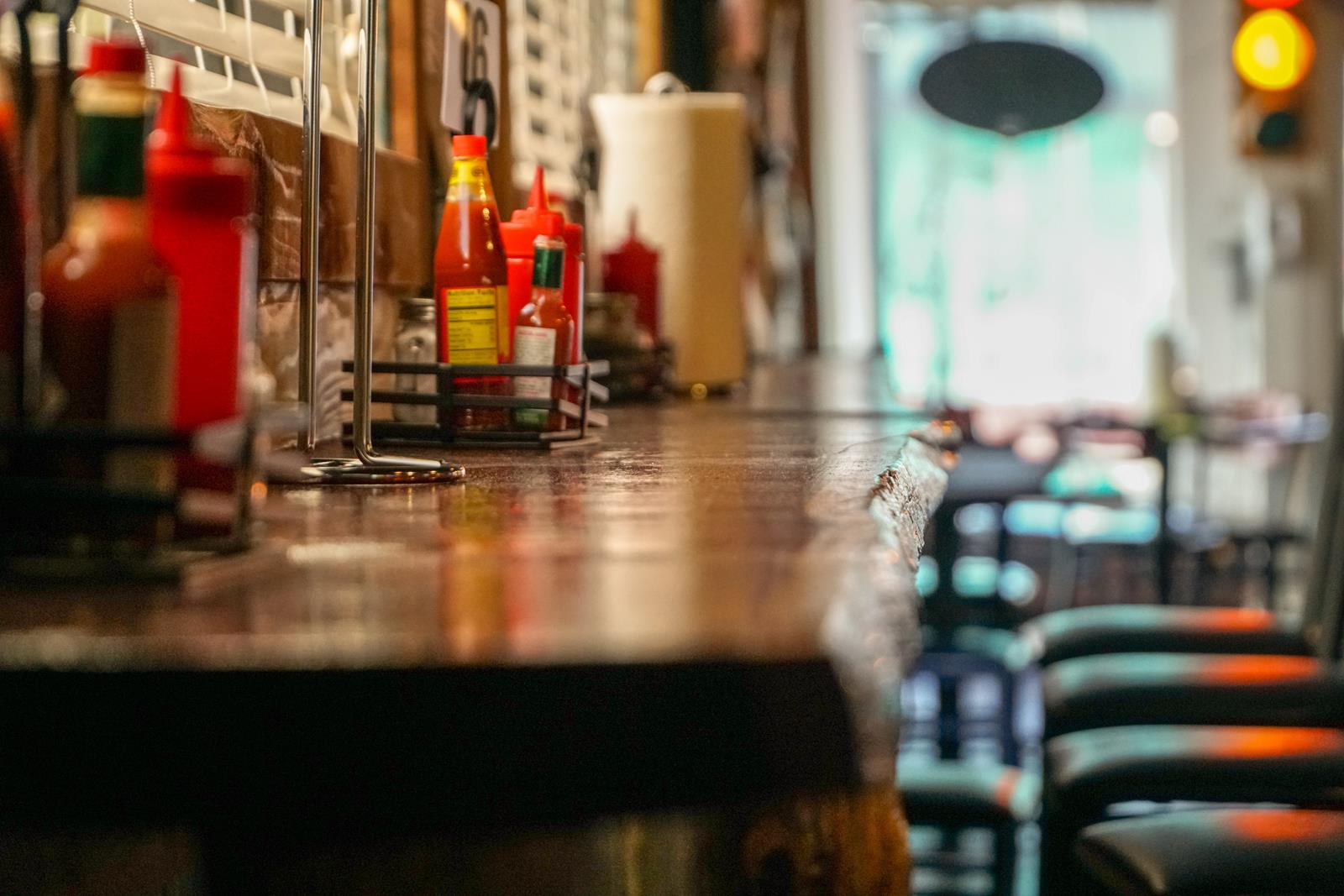
The restaurant industry is highly competitive, with new dining establishments constantly entering the market. While casual dining outlets offer convenience and affordability, many restaurants seek ways to differentiate themselves by providing unique experiences, exceptional service, and high-quality cuisine. Standing out in the crowded food service industry requires more than simply offering a menu—it involves creating a memorable dining environment that attracts customers and encourages repeat visits.
Successful restaurants often focus on delivering value through carefully designed menus, attentive customer service, and distinctive branding. From ambiance and presentation to culinary creativity and service quality, every element contributes to shaping the overall dining experience. Customers today are not only looking for good food but also for restaurants that offer memorable and engaging experiences.
Understanding effective restaurant success strategies can help business owners develop unique dining concepts that distinguish their establishments from casual dining outlets.
Creating a Unique Dining Concept
One of the most effective ways for restaurants to stand out is by developing a distinctive dining concept. A restaurant that offers a clear identity—whether through cuisine, atmosphere, or theme—can attract a specific audience and build a loyal customer base.
Unique concepts may include specialized menus, cultural themes, or signature dishes that customers cannot easily find elsewhere.
Within competitive restaurant success strategies and hospitality business differentiation, creating a recognizable concept helps restaurants establish a strong brand identity.
Customers often remember restaurants that provide unique and memorable experiences.
Elevating Food Quality and Presentation
Food quality remains the most important factor in restaurant success. Restaurants that focus on fresh ingredients, creative recipes, and careful preparation often gain positive reputations among diners.
Presentation also plays a key role in distinguishing restaurants from casual dining outlets. Well-plated dishes enhance the overall dining experience.
Within refined restaurant branding and customer experience development, visually appealing meals help restaurants deliver a premium dining experience.
Attention to culinary detail can leave lasting impressions on guests.
Enhancing Customer Service and Hospitality
Exceptional customer service is another essential strategy for restaurant success. Friendly staff, prompt service, and personalized interactions contribute to customer satisfaction.
Restaurants that train their employees to provide attentive and professional service often build stronger relationships with guests.
Within effective restaurant success strategies and hospitality business differentiation, high-quality service creates a welcoming atmosphere that encourages repeat visits.
Satisfied customers are more likely to recommend restaurants to others.
Designing an Appealing Restaurant Atmosphere
Ambiance plays a significant role in shaping the dining experience. Lighting, interior design, music, and seating arrangements all influence how customers feel while dining.
Restaurants that carefully design their environment can create memorable atmospheres that set them apart from casual dining establishments.
Within strategic restaurant branding and customer experience development, a well-designed space enhances both comfort and visual appeal.
Atmosphere often becomes part of the restaurant’s identity.
Building a Strong Brand Identity
A strong brand helps restaurants communicate their values, style, and dining experience to customers. Branding includes elements such as logo design, menu presentation, online presence, and marketing strategies.
Consistent branding helps restaurants create recognizable identities in the marketplace.
Restaurants with clear branding often attract customers who appreciate their unique style and concept.
Brand identity helps differentiate restaurants from competitors.
Leveraging Marketing and Customer Engagement
Modern restaurants use marketing strategies to increase visibility and connect with customers. Social media platforms, online reviews, and digital promotions help restaurants reach wider audiences.
Engaging with customers through online platforms also allows restaurants to gather feedback and improve services.
Marketing efforts help restaurants stay competitive in the food service industry.
Customer engagement builds long-term loyalty.
Conclusion
Restaurants that want to distinguish themselves from casual dining outlets must focus on delivering unique and memorable experiences for their customers. By developing distinctive dining concepts, emphasizing food quality, and providing exceptional customer service, restaurants can create strong reputations that attract loyal diners. In addition, carefully designed restaurant atmospheres and consistent branding help establish identities that stand out in competitive markets. Marketing strategies and customer engagement further support restaurant growth by building awareness and encouraging repeat visits. Ultimately, successful restaurants understand that the dining experience goes beyond the food itself—it includes ambiance, service, presentation, and overall hospitality. By combining these elements effectively, restaurants can differentiate themselves from casual dining establishments and achieve long-term success in the hospitality industry.