 Logan Baker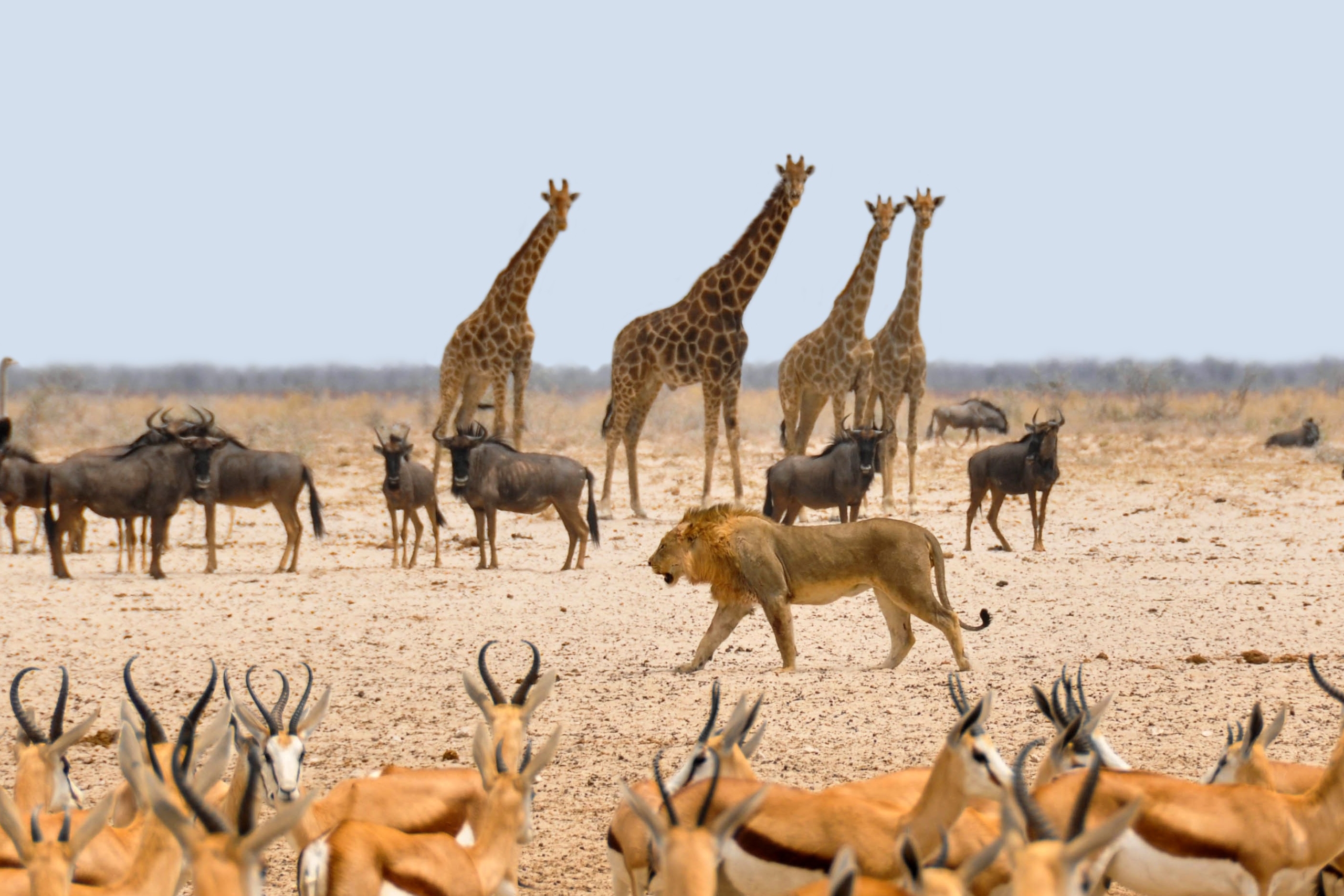
Wildlife documentaries have long fascinated audiences by revealing the hidden lives of animals across the world. From dense tropical jungles to vast oceans, deserts, and even urban environments, these documentaries provide a closer look at how animals behave, adapt, and survive in different habitats. Through stunning cinematography and scientific storytelling, viewers gain a deeper understanding of the natural world and the complex ecosystems that support wildlife.
Over the years, several television networks and streaming platforms have dedicated themselves to producing high-quality wildlife documentaries. Channels such as National Geographic, Animal Planet, BBC Earth, and Discovery Channel have played major roles in bringing animal behavior and environmental exploration to global audiences. Their programs often combine scientific research with captivating storytelling, allowing viewers to observe animals in their natural environments.
For nature enthusiasts and curious viewers alike, wildlife documentary channels offer both education and entertainment while highlighting the beauty and diversity of life on Earth.
National Geographic: A Leader in Wildlife Exploration
National Geographic is widely recognized as one of the most influential networks when it comes to wildlife and nature documentaries. Known for its commitment to scientific storytelling and breathtaking visual production, the channel has produced numerous documentaries that explore animal behavior across a wide range of ecosystems.
Programs on National Geographic often feature animals living in remote environments such as tropical jungles, arctic regions, deep oceans, and expansive savannas. Through advanced filming techniques, filmmakers capture rare animal behaviors that are difficult to observe in everyday life. These productions allow viewers to witness hunting strategies, migration patterns, and social interactions among different species.
Many National Geographic documentaries also emphasize conservation and environmental awareness. By highlighting the challenges faced by wildlife due to climate change, habitat loss, and human activity, these programs encourage audiences to appreciate and protect natural ecosystems.
Nature enthusiasts who enjoy watching educational programs frequently turn to wildlife documentary channels about animal behavior like National Geographic for in-depth storytelling and visually stunning explorations of the animal kingdom.
Animal Planet: Understanding Animals in Diverse Environments
Animal Planet is another well-known television channel dedicated to exploring the lives of animals in both wild and domestic environments. Since its launch, the channel has focused on programming that helps viewers understand animal behavior and the relationships between humans and animals.
While many of its shows feature wildlife in natural habitats, Animal Planet also explores animals living in homes, farms, and rescue centers. This combination allows viewers to see both sides of animal life—how animals behave in the wild and how they interact with humans in domestic settings.
The channel has produced numerous programs that follow wildlife experts, veterinarians, conservationists, and animal rescue teams. These shows often highlight the challenges faced by animals and the efforts of professionals working to protect them.
Animal Planet also places strong emphasis on storytelling that connects viewers emotionally with animals. By sharing real-life experiences and wildlife encounters, the network encourages audiences to develop greater empathy and respect for living creatures.
Through a blend of educational content and engaging storytelling, Animal Planet has become a popular source of wildlife entertainment for viewers around the world.
BBC Earth: Stunning Cinematography and Scientific Insight
BBC Earth has earned international recognition for producing some of the most visually impressive wildlife documentaries ever created. The channel is known for its groundbreaking series that explore ecosystems across the globe while showcasing the beauty of the natural world.
Documentary series such as Planet Earth, Blue Planet, and Dynasties have introduced audiences to remarkable animal behaviors and previously unseen natural environments. These productions often take years to film, as crews travel across multiple continents to capture rare wildlife moments.
BBC Earth documentaries focus heavily on the scientific aspects of animal life. Narration often explains how animals adapt to their environments, form social groups, and survive within complex ecosystems. These educational elements provide viewers with valuable insight into the biology and behavior of different species.
Another notable feature of BBC Earth productions is their exceptional cinematography. Advanced camera technology allows filmmakers to capture dramatic landscapes, close-up animal interactions, and underwater scenes with incredible detail.
By combining scientific knowledge with cinematic storytelling, BBC Earth continues to set a high standard for wildlife documentaries worldwide.
Discovery Channel: Adventure and Nature Exploration
Discovery Channel has long been associated with exploration and educational programming. While the network covers a wide variety of topics, wildlife documentaries remain an important part of its content.
Discovery Channel often focuses on adventurous storytelling that places viewers in the middle of the natural world. Many programs feature wildlife researchers and survival experts who travel to remote locations to study animal behavior in challenging environments.
The channel also produces documentaries that explore predator-prey relationships, animal migrations, and survival strategies in extreme conditions. These programs reveal the delicate balance that exists within ecosystems and highlight the importance of biodiversity.
In addition to traditional wildlife documentaries, Discovery Channel sometimes features behind-the-scenes looks at scientific expeditions and conservation efforts. These programs show the dedication of researchers and environmentalists working to protect endangered species and preserve natural habitats.
Through its combination of adventure, science, and exploration, Discovery Channel has contributed significantly to public awareness of wildlife and environmental issues.
Streaming Platforms Expanding Wildlife Documentary Content
In addition to traditional television channels, streaming platforms have also become important sources of wildlife documentaries. Services such as Netflix, Disney+, and Amazon Prime Video now host a growing collection of nature programs produced by some of the world’s most respected filmmakers.
These platforms allow viewers to watch wildlife documentaries on demand, making it easier to explore educational content anytime. Many streaming services collaborate with well-known production companies and broadcasters to distribute high-quality documentary series.
For example, Disney+ offers access to National Geographic documentaries, while Netflix has produced original nature series that explore ecosystems and animal life around the globe. These programs often feature advanced filming technology and innovative storytelling techniques.
The expansion of streaming platforms has helped bring wildlife education to a wider audience. Viewers can now discover documentaries about animal behavior in jungles, oceans, deserts, and even urban environments with just a few clicks.
This growth reflects the broader global wildlife documentary entertainment platforms landscape, where traditional television networks and streaming services work together to share stories about the natural world.
Conclusion
Wildlife documentary channels have played an important role in helping audiences understand the fascinating behaviors and lifestyles of animals across the planet. Networks such as National Geographic, Animal Planet, BBC Earth, and Discovery Channel have spent decades producing educational programs that explore ecosystems ranging from dense jungles and vast oceans to deserts and urban environments. Through advanced filming technology and scientific storytelling, these channels allow viewers to observe animals in ways that would otherwise be impossible. Their documentaries not only entertain audiences but also promote environmental awareness and conservation by highlighting the challenges faced by wildlife in changing environments. With the rise of streaming platforms, access to nature documentaries has expanded even further, allowing people around the world to explore wildlife stories anytime. By continuing to produce compelling and informative programs, wildlife documentary creators inspire curiosity about the natural world and encourage greater appreciation for the diverse life forms that share our planet.