 Logan Baker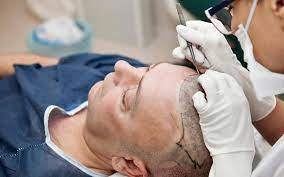
Hair plays an important role in how many people perceive their appearance and self-image. For individuals experiencing hair loss, thinning hair, or receding hairlines, these changes can sometimes affect confidence and overall self-esteem. While hair loss is a common condition that affects both men and women, modern cosmetic procedures have made it possible to restore hair and improve appearance in ways that were not available in the past.
Hair transplant procedures have become increasingly popular as a long-term solution for hair restoration. Advances in medical technology and surgical techniques allow specialists to move healthy hair follicles from one part of the scalp to areas experiencing thinning or baldness. As a result, patients can achieve natural-looking results that gradually blend with their existing hair.
Beyond the physical changes, many individuals report feeling more comfortable with their appearance after treatment. For those seeking solutions to hair loss, understanding how hair transplants work can help them make informed decisions about their personal care and confidence.
Understanding How Hair Transplant Procedures Work
Hair transplant procedures are designed to restore hair growth in areas affected by thinning or baldness. The process typically involves transferring healthy hair follicles from one part of the scalp, often referred to as the donor area, to areas where hair growth has slowed or stopped. These transplanted follicles continue to grow naturally after the procedure, producing new hair over time.
There are two primary techniques commonly used in modern hair transplant procedures: Follicular Unit Transplantation (FUT) and Follicular Unit Extraction (FUE). FUT involves removing a small strip of scalp from the donor area and separating it into individual follicular units before transplantation. FUE, on the other hand, extracts individual follicles directly from the scalp and implants them into targeted areas.
Both techniques aim to create natural hair growth patterns while minimizing visible scarring. Specialists carefully place the transplanted follicles according to the natural direction of hair growth to achieve realistic results. Over several months, the transplanted hair begins to grow and blend with existing hair.
These procedures have become an important part of modern hair restoration treatment options, offering individuals a reliable solution for addressing hair loss while maintaining a natural appearance.
The Psychological Impact of Hair Restoration
Hair loss can affect people in different ways depending on their personal experiences and self-perception. For some individuals, thinning hair may feel like a normal part of aging. For others, it can lead to feelings of insecurity or reduced confidence, particularly in social or professional situations.
Hair restoration procedures can help address these emotional challenges by improving physical appearance and helping individuals feel more comfortable with their image. When people feel satisfied with how they look, they often experience positive effects on their self-confidence and social interactions.
Many individuals who undergo hair transplant procedures report feeling more confident in everyday situations such as meeting new people, attending social events, or participating in professional environments. This psychological boost can contribute to a more positive outlook on personal and professional life.
It is important to note that confidence does not come solely from physical appearance. However, improving a feature that has been a source of concern can help individuals feel more in control of their self-image. Hair restoration treatments therefore offer both aesthetic and emotional benefits for those who choose to pursue them.
Advances in Hair Transplant Technology
Modern hair transplant procedures have improved significantly over the past few decades. Earlier techniques often produced unnatural results or noticeable scarring, which discouraged some individuals from considering the treatment. Today, advancements in medical technology allow specialists to achieve more natural-looking outcomes with minimal recovery time.
One of the most significant improvements involves the precision of follicle extraction and placement. Modern surgical tools allow specialists to handle hair follicles carefully, preserving their viability during transplantation. This precision increases the success rate of transplanted follicles and helps create a more natural hairline.
Another advancement involves improved planning and design of the hairline itself. Specialists carefully analyze facial features, hair density, and growth patterns to create a customized treatment plan. This personalized approach ensures that the transplanted hair complements the individual’s natural appearance.
Technology has also improved patient comfort and recovery. Minimally invasive techniques allow procedures to be completed with local anesthesia, and most individuals can return to normal activities within a short period. These advancements have made hair transplant procedures more accessible and appealing to people seeking long-term hair restoration solutions.
Who May Benefit from Hair Transplant Treatments
Hair transplant procedures are typically recommended for individuals experiencing pattern hair loss, thinning hair, or receding hairlines. However, not everyone experiencing hair loss is automatically a candidate for transplantation. Specialists usually conduct thorough evaluations to determine whether the procedure is appropriate for each patient.
One important factor is the availability of healthy donor hair. Hair transplants rely on relocating existing hair follicles rather than creating new ones. Individuals with sufficient donor hair are more likely to achieve successful results from the procedure.
Age and overall health may also influence candidacy. While hair transplants can benefit individuals at different stages of hair loss, specialists often recommend waiting until hair loss patterns have stabilized before undergoing surgery. This helps ensure that the results remain consistent over time.
Hair transplants may also be suitable for individuals who have lost hair due to injuries, surgical scars, or certain medical conditions. In such cases, transplantation can help restore hair in areas where natural growth has been disrupted.
Consulting with experienced professionals allows individuals to understand their options and determine whether hair transplant treatments align with their personal goals.
Long-Term Benefits of Hair Restoration
Hair transplant procedures offer long-term advantages that make them appealing to individuals seeking lasting solutions for hair loss. Because the transplanted follicles are taken from areas resistant to hair loss, they typically continue to grow naturally for many years after the procedure.
Unlike temporary solutions such as topical treatments or cosmetic products, hair transplants address the root cause of hair loss by restoring active follicles in thinning areas. This makes the results more stable and sustainable over time.
In addition to aesthetic improvements, many individuals experience renewed confidence in their appearance. Feeling comfortable with one’s hair can positively influence social interactions, professional opportunities, and overall self-perception.
Hair restoration procedures can also reduce the need for ongoing hair loss treatments or styling techniques intended to conceal thinning areas. With natural hair growth restored, individuals often find it easier to maintain their desired hairstyle.
These benefits reflect the broader appeal of confidence-boosting beauty enhancement procedures, where aesthetic improvements contribute to a stronger sense of personal satisfaction and self-assurance.
Conclusion
Hair transplants have become an effective and widely accepted solution for individuals seeking to address hair loss and restore their natural appearance. Advances in medical technology and surgical techniques have made these procedures more precise, comfortable, and capable of producing natural-looking results. By relocating healthy hair follicles to areas affected by thinning or baldness, hair transplant procedures allow patients to regain natural hair growth over time. Beyond the physical changes, many individuals experience improved confidence and greater comfort with their appearance after treatment. Hair restoration can positively influence social interactions, professional confidence, and overall self-image. While the decision to undergo a hair transplant is personal, understanding the procedure, its benefits, and its suitability for different individuals helps people make informed choices about their beauty and wellness goals. With proper consultation and professional care, hair transplant procedures can offer lasting results that support both appearance and self-confidence.