 Logan Baker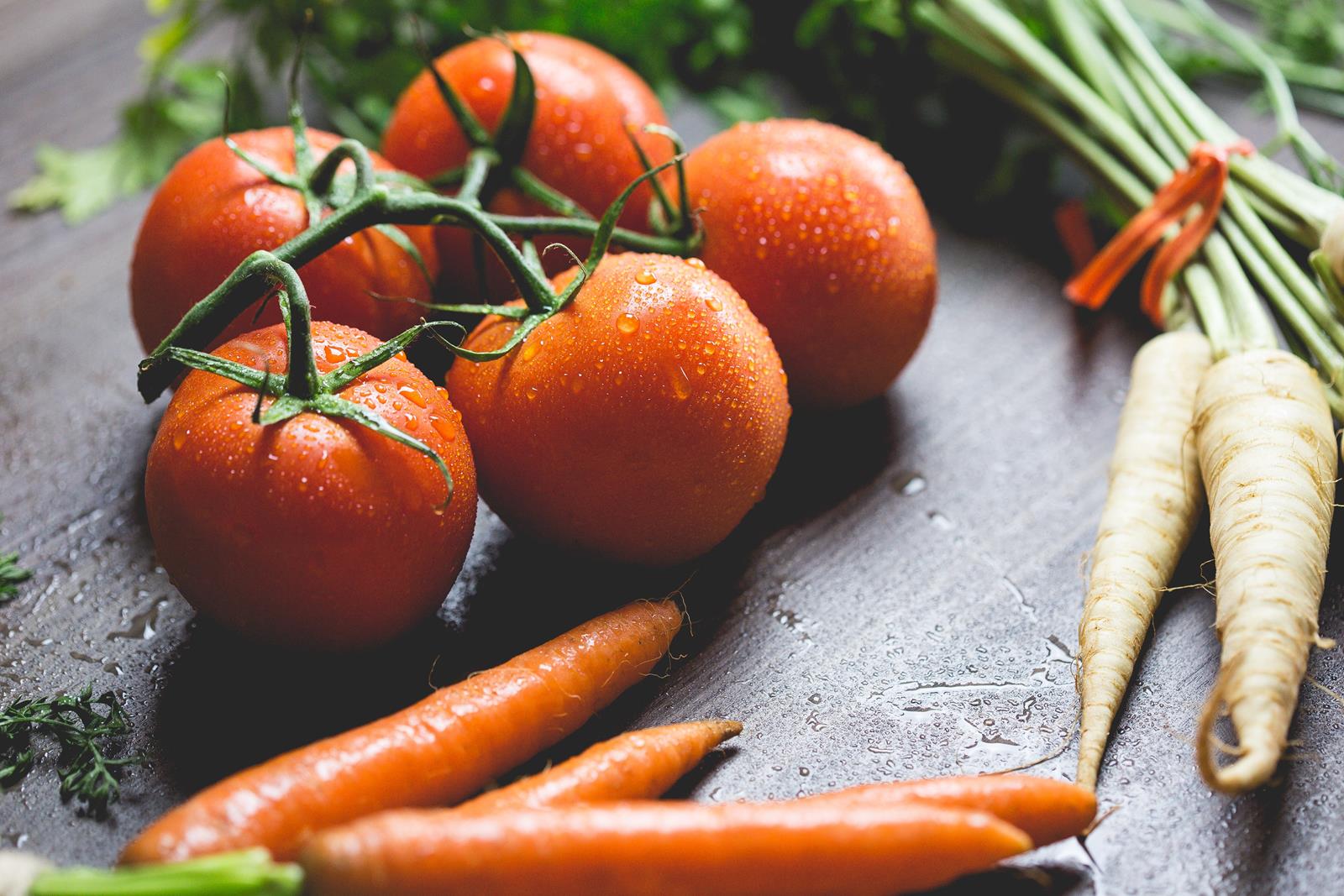
Providing healthy foods for children is essential for supporting their growth, development, and overall well-being. During childhood, proper nutrition plays a crucial role in building strong bones, improving brain development, and maintaining a strong immune system. Because children are constantly growing and learning, their bodies require a balanced combination of vitamins, minerals, proteins, and healthy fats to function properly.
Parents and caregivers often look for meal options that are both nutritious and appealing to young eaters. Healthy foods do not need to be complicated; simple meals made from fresh ingredients can provide the nutrients children need while also encouraging positive eating habits. Introducing a variety of fruits, vegetables, whole grains, and lean proteins helps children develop balanced diets that support long-term health.
Understanding which foods contribute to healthy development can help parents make better choices when planning meals for their children.
Fresh Fruits for Natural Energy
Fruits are an excellent source of essential vitamins, fiber, and natural sugars that provide energy for active children. Apples, bananas, berries, oranges, and mangoes are popular options that many kids enjoy.
These fruits contain important nutrients such as vitamin C, potassium, and antioxidants that support immune health and digestion.
Within helpful healthy food choices for growing children, fresh fruits offer both nutrition and naturally sweet flavors that appeal to kids.
Serving fruits as snacks or adding them to breakfast meals encourages healthier eating habits.
Vegetables That Support Growth and Immunity
Vegetables provide important nutrients that support physical development and overall health. Leafy greens, carrots, broccoli, and sweet potatoes are particularly beneficial for growing children.
These vegetables contain vitamins A, C, and K, which contribute to strong immunity and healthy eyesight.
Within practical nutritious meal planning for kids and families, including vegetables in daily meals helps ensure children receive essential nutrients.
Preparing vegetables in colorful and creative ways can make them more appealing to young eaters.
Whole Grains for Sustained Energy
Whole grains are important sources of complex carbohydrates and dietary fiber. Foods such as brown rice, oatmeal, whole wheat bread, and quinoa provide long-lasting energy for children’s daily activities.
Unlike refined grains, whole grains help regulate blood sugar levels and improve digestion.
Within balanced healthy food choices for growing children, whole grains contribute to stable energy and improved concentration.
Including whole grains in meals helps support active lifestyles and learning.
Lean Proteins for Muscle Development
Protein is essential for building and repairing tissues as children grow. Lean protein sources include chicken, fish, eggs, beans, lentils, and tofu.
These foods provide amino acids that support muscle development and overall body function.
Within effective nutritious meal planning for kids and families, incorporating protein-rich foods ensures children receive the nutrients needed for physical development.
Balanced meals often include both protein and vegetables for optimal nutrition.
Healthy Dairy Products for Strong Bones
Dairy products such as milk, yogurt, and cheese are important sources of calcium and vitamin D. These nutrients support bone growth and dental health during childhood.
For children who cannot consume dairy, alternatives such as fortified plant-based milk can also provide calcium.
Healthy dairy choices help strengthen bones and maintain overall development.
Balanced nutrition supports long-term health.
Healthy Snacks That Kids Enjoy
Healthy snacks help maintain energy levels between meals. Nut butter with fruit, yogurt with granola, and vegetable sticks with hummus are nutritious snack options.
These snacks provide essential nutrients while preventing excessive consumption of sugary or processed foods.
Encouraging healthy snacks helps children maintain balanced diets throughout the day.
Small healthy choices contribute to better long-term eating habits.
Conclusion
Healthy foods play a vital role in supporting the physical and mental development of children. By incorporating a balanced combination of fruits, vegetables, whole grains, lean proteins, and dairy products into daily meals, parents can provide the nutrients children need for growth and energy. Nutritious meals not only strengthen the body but also help improve concentration, immune function, and overall well-being. Introducing healthy eating habits at an early age encourages children to develop positive relationships with food that can last throughout their lives. In addition, offering healthy snacks and preparing meals with fresh ingredients can make nutritious eating both enjoyable and sustainable. Ultimately, providing healthy foods for kids helps build strong foundations for lifelong health and well-being.